Category: Field Notes

Updates, stories and reports from Care4Ukraine’s work in Ukraine.

  • Sumy: A Home to Return To

    Sumy: A Home to Return To

    November 2, 2026

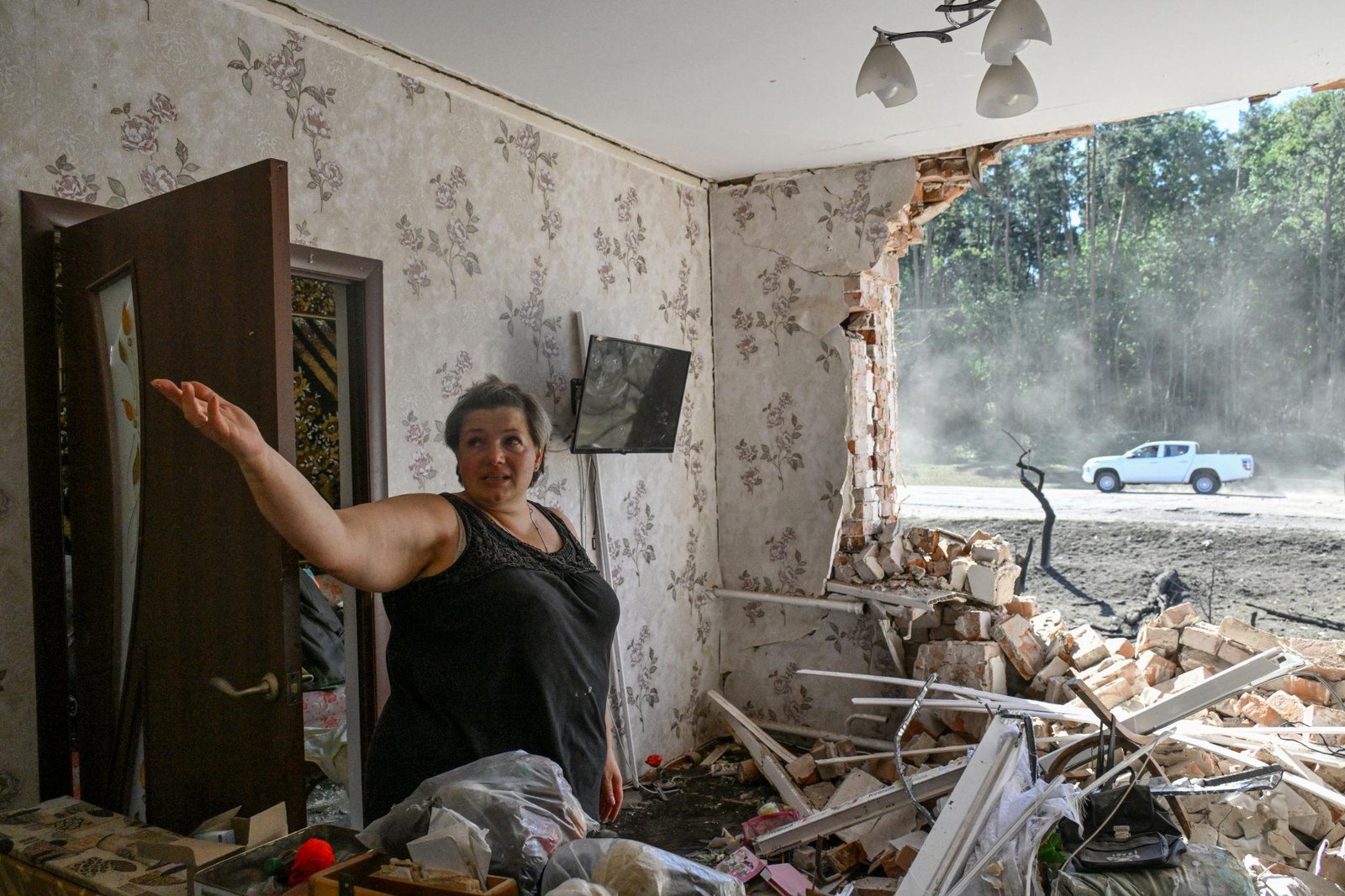
    Featured photograph: Natalia inside her damaged home in Sumy Oblast, August 16, 2024. Genya Savilov / AFP.

    On Saturday morning, a Russian drone struck the balcony of a tenth-floor apartment in Sumy. The owners were away when it happened. Their cat narrowly survived.

    When the owner returned, much of his apartment had been destroyed. Speaking with a reporter from Suspilne, he said he didn’t know where he was going to live.

    Elsewhere in Sumy, residents were returning to homes damaged during the overnight attacks. Tetiana received a telephone call from neighbors telling her that an explosion had blown out the windows. When she arrived, she found the windows gone and the roof punctured by fragments. Her neighbors had escaped injury, in part because their heavy curtains had stopped much of the flying glass.

    Another resident, Volodymyr, had been asleep when an explosion woke him. He went outside and found a fire burning nearby. He was concerned that it might spread to other buildings, particularly with the dry autumn leaves covering the ground.

    His car had been damaged by fragments, as had a small three-wheeled vehicle. Replacing or repairing them is an expense that many families can no longer afford.

    The attacks continued through Saturday night and into Sunday. A 68-year-old woman was injured when a drone struck an unused petrol station. Nearby apartment buildings suffered damage to windows and balconies. By Sunday morning, municipal crews and volunteers were clearing debris and helping residents secure their homes.

    For many of these families, the immediate concern is getting the windows replaced and the roof repaired before the weather turns colder. Materials are expensive, and finding someone available to do the work can be difficult. In some cases, residents are trying to repair damage that was repaired once or twice before.

    There is also the question of whether to spend what little money remains on a house that may be struck again.

    On Friday, the humanitarian organization People in Peril published an account of its recent work in the Bochechky community near Konotop, in Sumy Oblast. The organization had replaced 85 damaged windows in 19 homes, assisting 42 residents, most of whom had previously been displaced by the war.

    One of those residents is Hanna Kadura, 74, who lives alone. A drone explosion near her house broke the windows, damaged the walls, and tore doors from their frames.

    Hanna receives a pension of approximately 4,000 hryvnias a month. There was little possibility of her paying for the repairs herself.

    She doesn’t want to leave. At 74, she wonders where she would go.

    We hear much the same thing during our visits to the villages of northeastern Ukraine. People have spent their lives in these communities. They know their neighbors, and often their families have lived there for generations. Leaving means abandoning much of what remains of the lives they’ve built.

    During recent trips east of Poltava and toward Sumy, we’ve noticed growing concern about whether humanitarian assistance will continue through the winter. Several residents have told us they’re considering leaving, not necessarily because they want to, but because they’re no longer confident that they can manage another winter without help.

    And we understand their concern. Over the past several months, we’ve seen fewer organizations operating in some of these areas. Supplies are more difficult to obtain, and there are simply not enough resources to meet the growing need.

    Working Together Has Always Been Part of Our Work

    The repairs carried out by People in Peril in Bochechky are a good example of the kind of assistance being provided by organizations throughout the region. It is also an example of why cooperation among aid groups matters so much.

    Care4Ukraine has been working alongside other humanitarian organizations and local volunteer groups for almost five years. We know many of the people involved, where they’re working, and the kinds of assistance they provide. We keep in contact, exchange information, and help one another when we can.

    This cooperation is a regular part of our work.
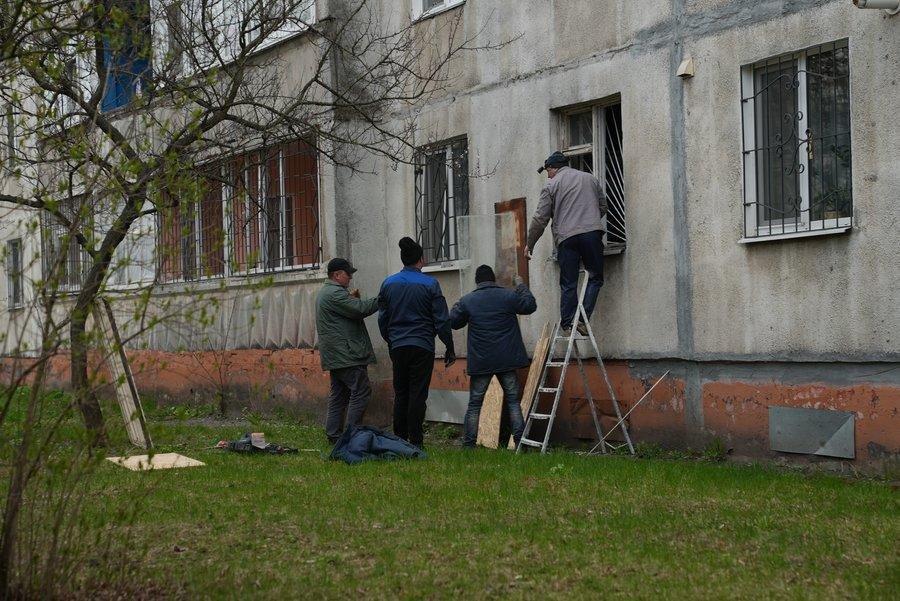
    Four men boarding up a damaged window on a residential building in Sumy
    Residents securing a damaged window in Sumy, April 22, 2026. Photograph: Suspilne Sumy.

    If a volunteer group is already replacing windows in a village, there is little point in sending another group to do exactly the same thing. But they may be short of window materials or plastic sheeting to cover damaged openings until permanent repairs can be made. They may need another vehicle to transport supplies, or simply a few more volunteers to help finish the work.

    Sometimes we can provide what is missing. Other times, we’re the ones asking for help. Knowing who is working in a particular area, and what resources they have available, can make an enormous difference in how quickly assistance reaches people.

    We’ve built these relationships over years of working in the same communities. They allow relatively small organizations to accomplish work that none of us could manage alone.

    What worries us now is that this network is becoming smaller.

    Some organizations have reduced their activities, while others have withdrawn from areas where they once provided regular assistance. Those of us who remain are increasingly trying to cover the gaps. The communities notice these changes, often before anyone else does. They know when a familiar volunteer stops coming or when a regular delivery no longer arrives.

    As fewer groups remain, the relationships between those still working become even more important. We depend on one another more, and the communities increasingly depend on us.

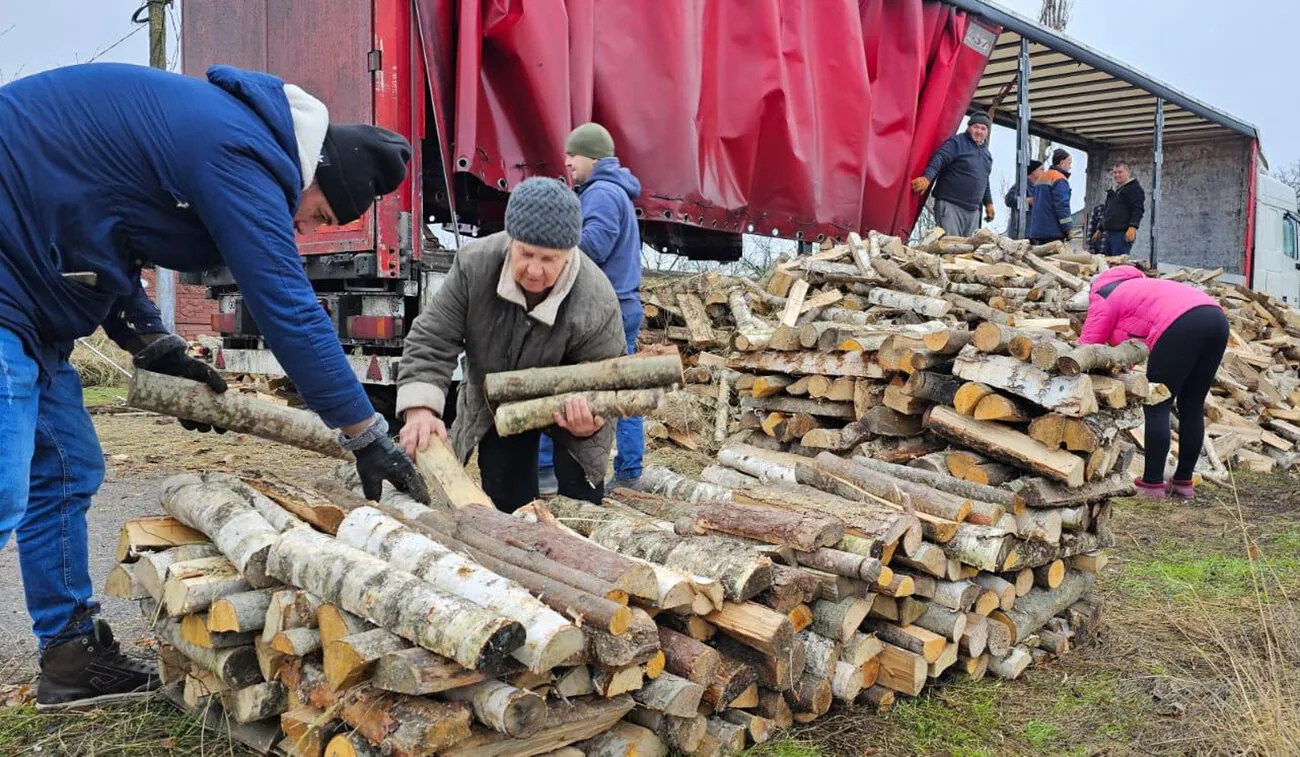
    Care4Ukraine continues its work in villages throughout northeastern Ukraine. Much of our attention at this time of year is directed toward getting food and firewood into communities before winter conditions make deliveries more difficult. Our medication routes continue, and we’re also working to provide emergency electricity and communications equipment in isolated locations.

    We also continue working with other organizations to identify where help is needed and how best to provide it. Sometimes our contribution is a delivery of supplies. Sometimes it’s helping another group find the materials or transportation it needs to complete its own work.

    The attacks in Sumy over the weekend have left more families facing repairs they may struggle to afford. The coming winter will add to those difficulties, especially for older residents living alone.

    We intend to keep making our rounds and working with the people and organizations who remain on the ground. There is still a great deal to do, and the need for cooperation and continued support is growing.

    If you would like to help us continue this work, please consider a donation at Care4Ukraine.org. Your contributions help us keep supplies moving and support the local efforts that so many communities now depend upon.

    Reporting: Suspilne Sumy, October 31; Suspilne Sumy, November 1; People in Peril, October 30.
  • Dnipro: The People Behind the Headlines

    Dnipro: The People Behind the Headlines

    Care for Ukraine website archive.

    October 30, 2026

    On Thursday morning, Ruslan Dil was on his way home.

    Ruslan was 48 years old and had worked for Ukrainian Railways for almost 30 years. Much of that work included transporting people away from danger after the full-scale invasion began. On October 29, he was on leave, returning from western Ukraine and changing trains in Dnipro to reach his hometown of Synelnykove. He had two grown children, a mother, and a sister. It was an ordinary journey home to his family.

    He never arrived.

    Ruslan was among the 15 people killed when a Russian drone struck Dnipro’s railway station on October 29.

    Another victim was Yana Shpakova, 32, who managed the children’s area at the station. For years, she had worked with passengers. When the danger became apparent, she joined colleagues helping people reach shelter. She was killed in the attack, leaving behind her daughter, Myroslava, and other family members.

    Five railway employees died. The others killed or injured were people traveling to work, returning home, or going about their ordinary business. Dnipro is observing a day of mourning today.

    By Friday morning, another Russian attack on the power network had left much of Dnipro without electricity. More than 350,000 electricity customers in the city and surrounding communities had initially lost power. Public transport was disrupted and essential water systems were relying on backup generators.

    A Dnipro resident named Svitlana told local reporters that she had stored water in advance, but her supply would soon run out. She had come to collect more, taking only what she needed. Elsewhere in the city, people queued for buses and drinking water, and went into shops to recharge their phones.

    For an elderly person living alone, especially someone with limited mobility, these conditions create serious problems. If the power fails, a lift may stop working, the water supply may become unreliable, and the means of contacting a relative or neighbor may disappear. Even an appointment at a clinic or pharmacy becomes difficult when transportation is interrupted.

    At one Dnipro hospital, doctors completed 18 complex operations overnight despite the citywide electricity problems. Hospital administrators reported that 134 patients were receiving mechanical ventilation. Generators and contingency arrangements were what allowed medical personnel to continue caring for patients.

    That is what makes the approaching winter particularly worrying.

    Volunteers unloading and stacking firewood for winter assistance in Ukraine
    Care for Ukraine website archive.

    Dnipro has hospitals, transport networks, emergency services, and local volunteers. Yet even a large city with those resources is struggling to maintain basic services through repeated attacks. Smaller towns and villages have far less capacity to absorb another failure.

    Across northeastern Ukraine, we continue to encounter people who have stayed in their homes throughout the war. Many are elderly. Some live alone; others care for a relative who is ill or unable to travel. They have managed through several winters with help from neighbors, local clinics, volunteers, and humanitarian organizations. But that assistance is becoming harder to sustain.

    For Care4Ukraine, this is why so much of our work is directed toward preparations before conditions become critical: food, firewood, medicines, generators, and reliable ways to communicate. None of these is a complicated form of assistance. Getting supplies to the people who need them, however, takes vehicles, fuel, volunteers, local knowledge, and the ability to return regularly.

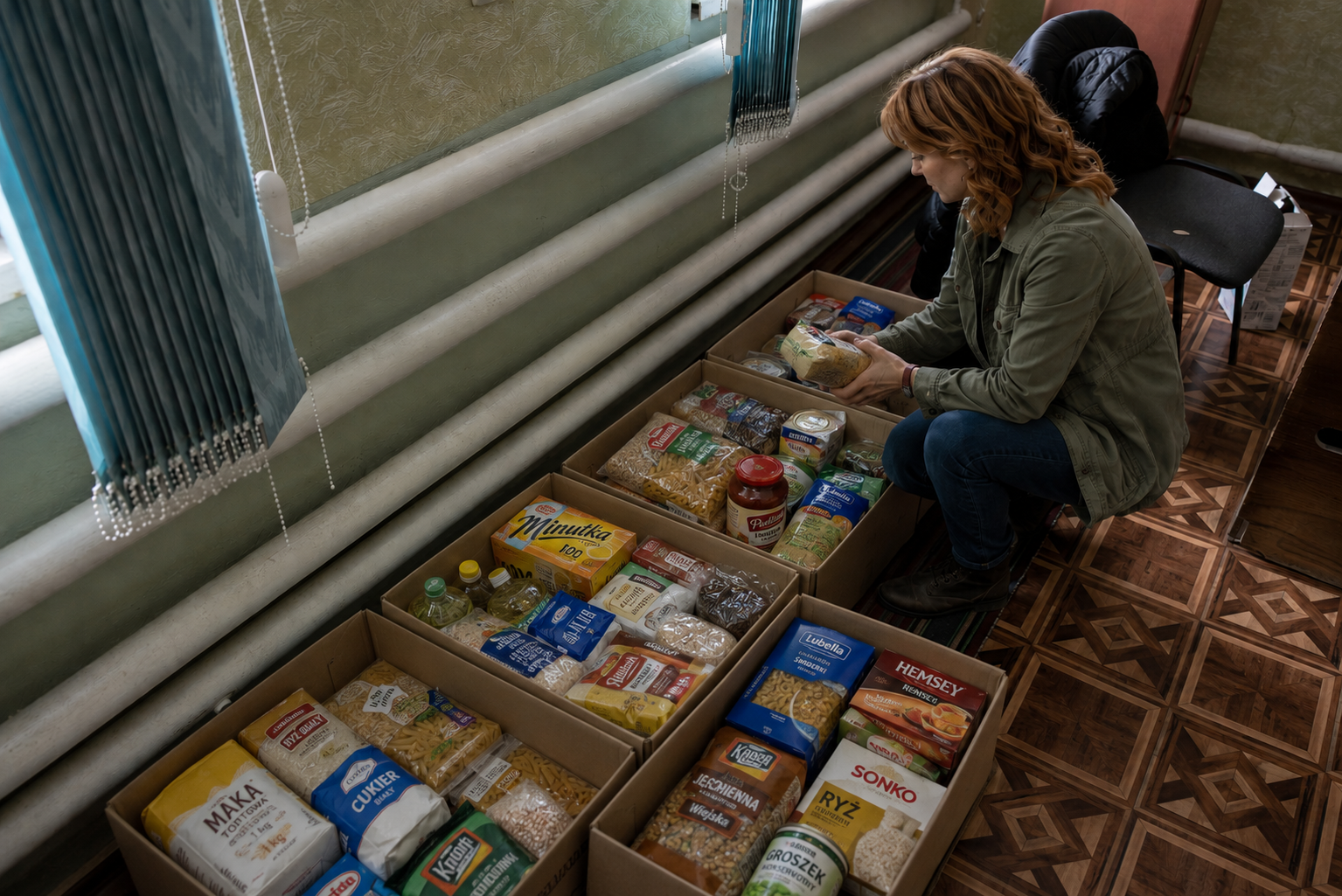
    Volunteer sorting donated food supplies for delivery in Ukraine
    Care for Ukraine website archive.

    We cannot prevent another attack on Dnipro or repair the city’s electrical network. Our work is smaller and more local. It is directed toward the people and communities where we can make a practical contribution, particularly those who are increasingly isolated.

    There will be more difficult days ahead for Dnipro and for communities throughout Ukraine. Recovery means more than fixing damaged buildings and power lines. It means people continuing to help their neighbors, clinics being able to care for patients, and humanitarian supplies reaching households with few alternatives.

    There is still a great deal of work to be done, and there are people who depend on that work continuing.


    Help us continue the work. Care4Ukraine delivers food, medicines, winter supplies, and emergency equipment to communities across northeastern Ukraine. If you can help sustain these deliveries, please make a donation. Your support helps keep essential supplies moving.

    Reporting note: The accounts of Ruslan Dil and Yana Shpakova are based on Ukrainian Railways’ memorial records. Information about Dnipro’s blackouts, residents’ experiences, and hospitals is drawn from Suspilne Dnipro, local reporting, and Ukrainska Pravda.

  • The Weekly Medication Route

    The Weekly Medication Route

    A field update from Hryhorii (Gregory) and Alyssa

    Once a week, Alyssa and I collect medications from centralized clinics and medical NGOs operating in Ukraine and deliver them to people living in rural communities.

    The clinics and medical organizations manage the medications, determine where they are needed, and dispense them for the patients they serve. Care4Ukraine helps complete the next part of that work by transporting the medication from those central locations to communities where distance and limited transportation can make access difficult.

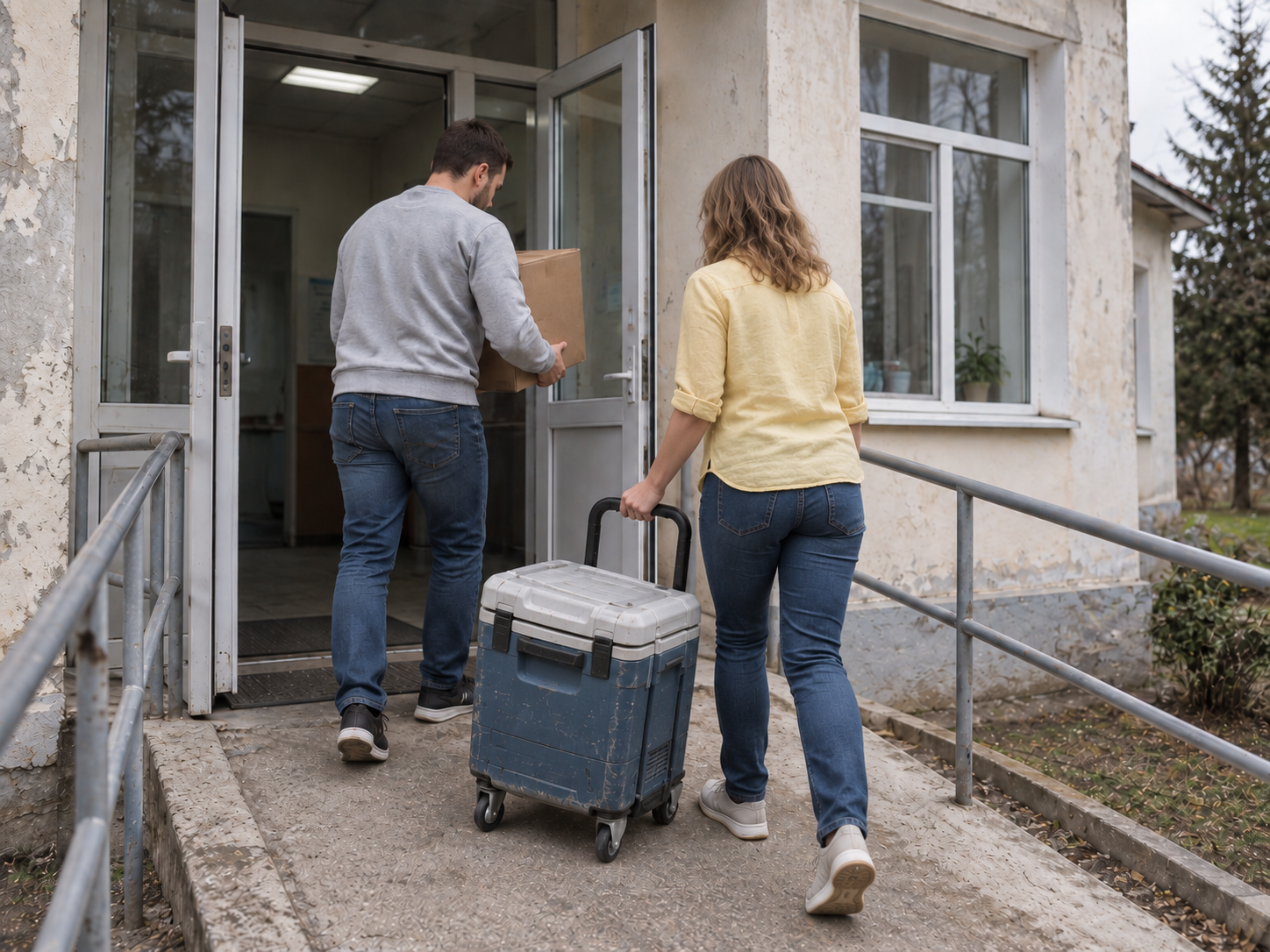
    Care4Ukraine volunteers bringing a refrigerated medication cooler into a rural clinic
    Battery-operated refrigerated coolers help protect temperature-sensitive medications during transport between clinics and rural communities.

    Cooperation Makes the Work Possible

    This kind of cooperation is a common and essential part of our work. No single organization can meet every need on its own. Clinics bring medical knowledge and direct relationships with patients. Medical NGOs help manage supplies and coordinate care. Local contacts understand their communities and the changing conditions. Care4Ukraine secures and organizes transportation, equipment, volunteers, and the ability to reach smaller or more remote locations.

    When groups share information, resources, and responsibilities, together we can help many times more people than we could if each organization operated in its own bubble. It is not always the most visible part of humanitarian work, but it is one of the reasons assistance reaches the right people more consistently.

    The medications on our route support people living with many different conditions and across every age group. The largest group we serve is age 55 and older. For many patients, staying on schedule is critical, especially when a missed delivery could interrupt an established course of treatment.

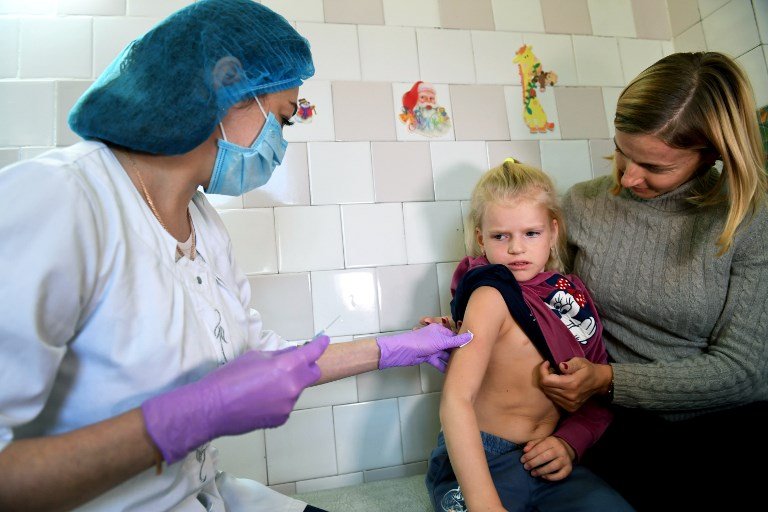
    A healthcare worker providing medical care to a child accompanied by her mother in Ukraine
    Reliable access to medical care matters most when distance and transportation make regular clinic visits difficult.

    Quiet, Practical Delivery

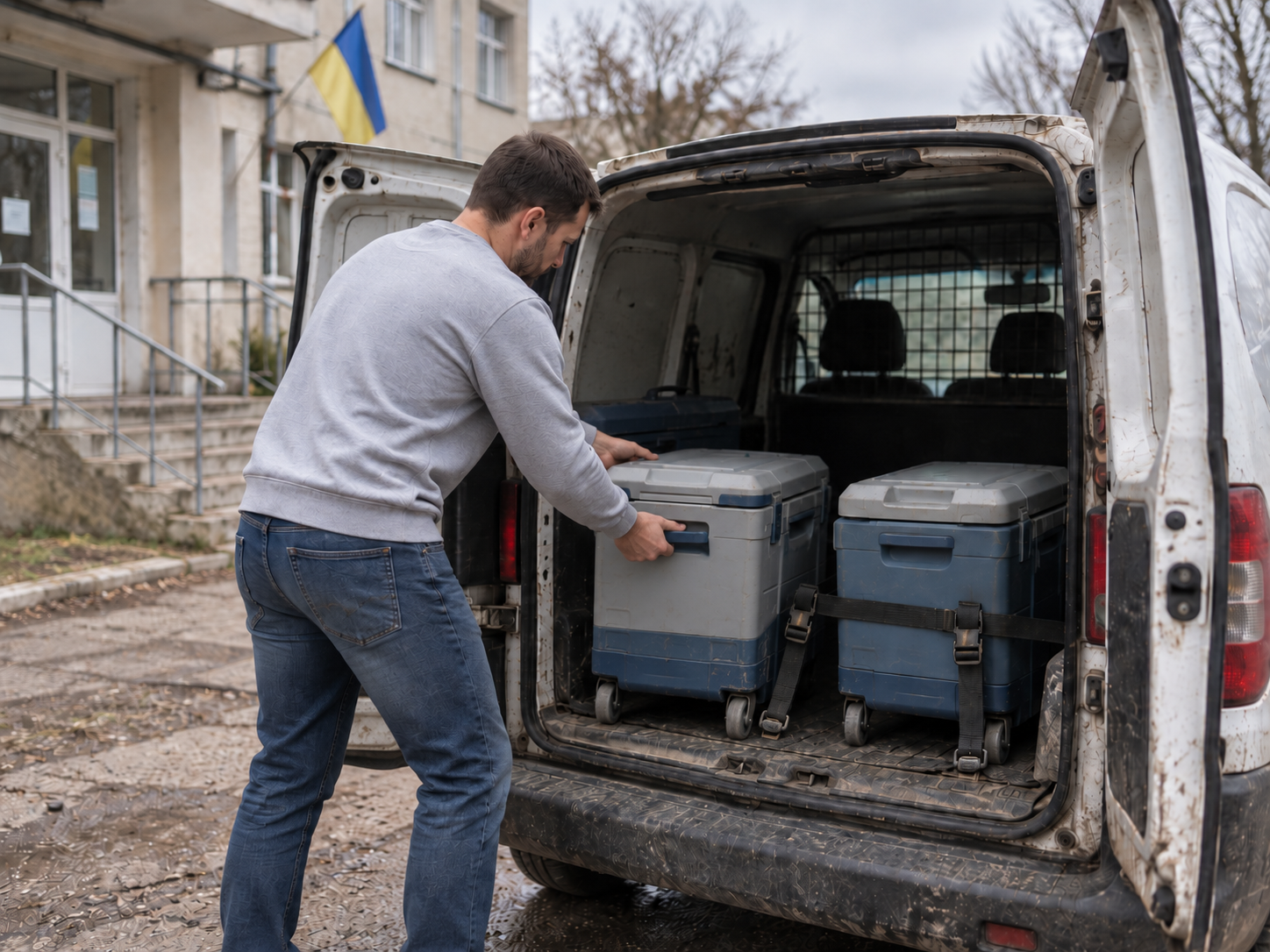
    Because the risks along these routes are real, Alyssa and I keep the deliveries as discreet as possible. We travel in smaller, nondescript vehicles and avoid drawing unnecessary attention. The medications are carried in battery-operated refrigerated coolers donated by a hospital group in the Chicago, Illinois area. These coolers help maintain the required temperature for sensitive medications during the trip from the central clinic to the rural delivery point.

    The coolers were donated in 2023 and have continued to function reliably through regular use. They are a good example of how one practical donation can remain useful for years: equipment provided by a medical partner in the United States is now supporting Ukrainian clinics, aid organizations, volunteer drivers, and patients week after week.

    Most delivery days are quiet and methodical. We check the coolers and their batteries, load the medication into an ordinary vehicle, follow the planned route, and complete the handoff. Then we prepare to do it again the following week.

    This work belongs to everyone in that chain. We are grateful to the clinics and medical NGOs that manage the medications, the local partners who coordinate needs, the medical group that donated the coolers, and every person who helps these deliveries reach rural Ukraine.

    — Hryhorii (Gregory)

  • From European Supermarkets to Families in Ukraine

    From European Supermarkets to Families in Ukraine

    A significant portion of the food and basic household supplies distributed by Care4Ukraine begins not in a warehouse or through a large international aid program, but in ordinary supermarkets and distribution systems across Central Europe.

    Large grocery chains throughout Poland, the Czech Republic, Germany, and other European countries routinely have food that can no longer be sold through their normal retail channels. Sometimes a product is approaching its best-before date. Sometimes packaging has changed, seasonal merchandise is being removed, inventory has been overstocked, or a particular item simply has not sold as expected. The food may have lost its commercial value while remaining perfectly suitable for consumption.

    Rather than allowing these products to become waste, many European retailers work with food banks, charitable organizations, churches, community organizations, and other nonprofit groups to redistribute them. European food-waste policy specifically encourages safe, edible surplus food to be redirected for human consumption whenever possible.

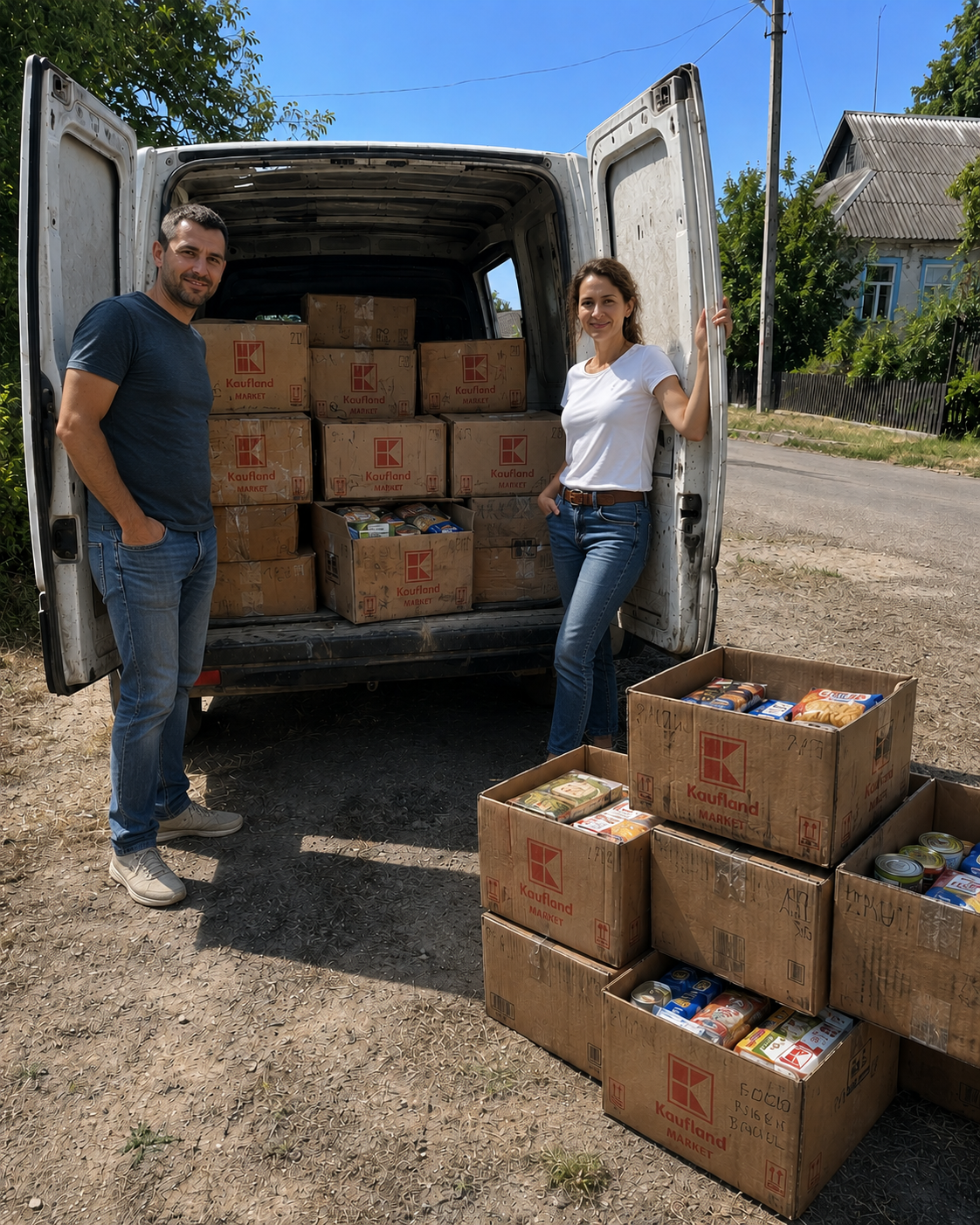
    This is a substantial system. Biedronka, for example, reports that it has donated unsold food since 2016 and works with roughly 140 charitable organizations. In 2024 alone, the company reported redistributing more than 10,000 tonnes of food through its stores. Kaufland works with the Federation of Polish Food Banks, Caritas Polska, and other charitable organizations, providing food that can no longer be sold but remains fit for consumption. Kaufland operates a similar program through food banks in the Czech Republic. ALDI has long used comparable arrangements with food banks and local charities in Poland, Germany, and other European countries.

    Volunteer sorting packaged food into boxes for Care4Ukraine distribution

    How Care4Ukraine Uses the Network

    Care4Ukraine participates in this broader redistribution network through charitable relationships and local sources. We receive quantities of non-perishable food, dry goods, basic hygiene products, and other useful supplies that might otherwise have been removed from normal commercial circulation. These goods are sorted, checked, stored, and incorporated into the supplies we accumulate for distribution in Ukraine.

    For us, this is particularly valuable because much of what we need is not specialized humanitarian equipment. It is ordinary food and household material: pasta, rice, cereal, canned goods, flour, cooking staples, packaged foods, soap, toothpaste, hygiene products, and other everyday necessities.

    Acquiring these products through European surplus and charitable-distribution systems allows limited donated funds to be reserved for items that must be purchased, as well as transportation, fuel, storage, generators, medical supplies, and other expenses.

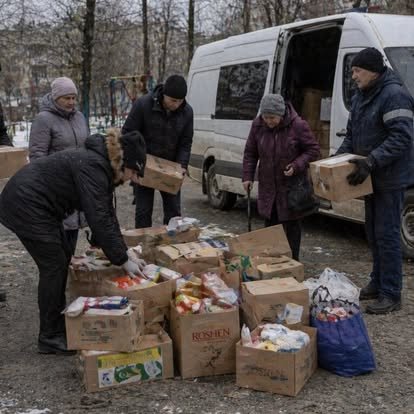
    People organizing boxes of food and household supplies beside a delivery van in winter

    Building Inventory for Winter

    It also explains why Care4Ukraine builds inventories gradually. We take advantage of supplies when they become available, sort and consolidate them, and move them east as transportation and conditions permit. During the summer and early autumn, much of this material is accumulated specifically with winter in mind.

    What might represent excess inventory to a supermarket in Poland, the Czech Republic, or Germany can become several weeks of basic food and household supplies for dozens of families in Ukraine. The system reduces waste on one end and puts usable goods to work where they are genuinely needed on the other.

    Sources and further reading

    Retail food-redistribution background and figures: Biedronka — Przeciwdziałanie marnowaniu żywności; Biedronka 2024 Sustainability Report; Kaufland Polska — Ratowanie żywności; and ALDI SÜD — Food Waste.

  • First Bell Under Air-Raid Sirens

    First Bell Under Air-Raid Sirens

    September 1 is First Bell in Ukraine—the traditional beginning of the school year, when children bring flowers for their teachers and the youngest pupils enter their first classroom.

    This year, the ceremony in Kyiv was interrupted almost as soon as it began. Air-raid sirens followed overnight ballistic missile strikes, and children who had arrived dressed for photographs were moved into shelters. It was a brief moment that captured a much larger reality: for many Ukrainian children, school has not felt normal for years.

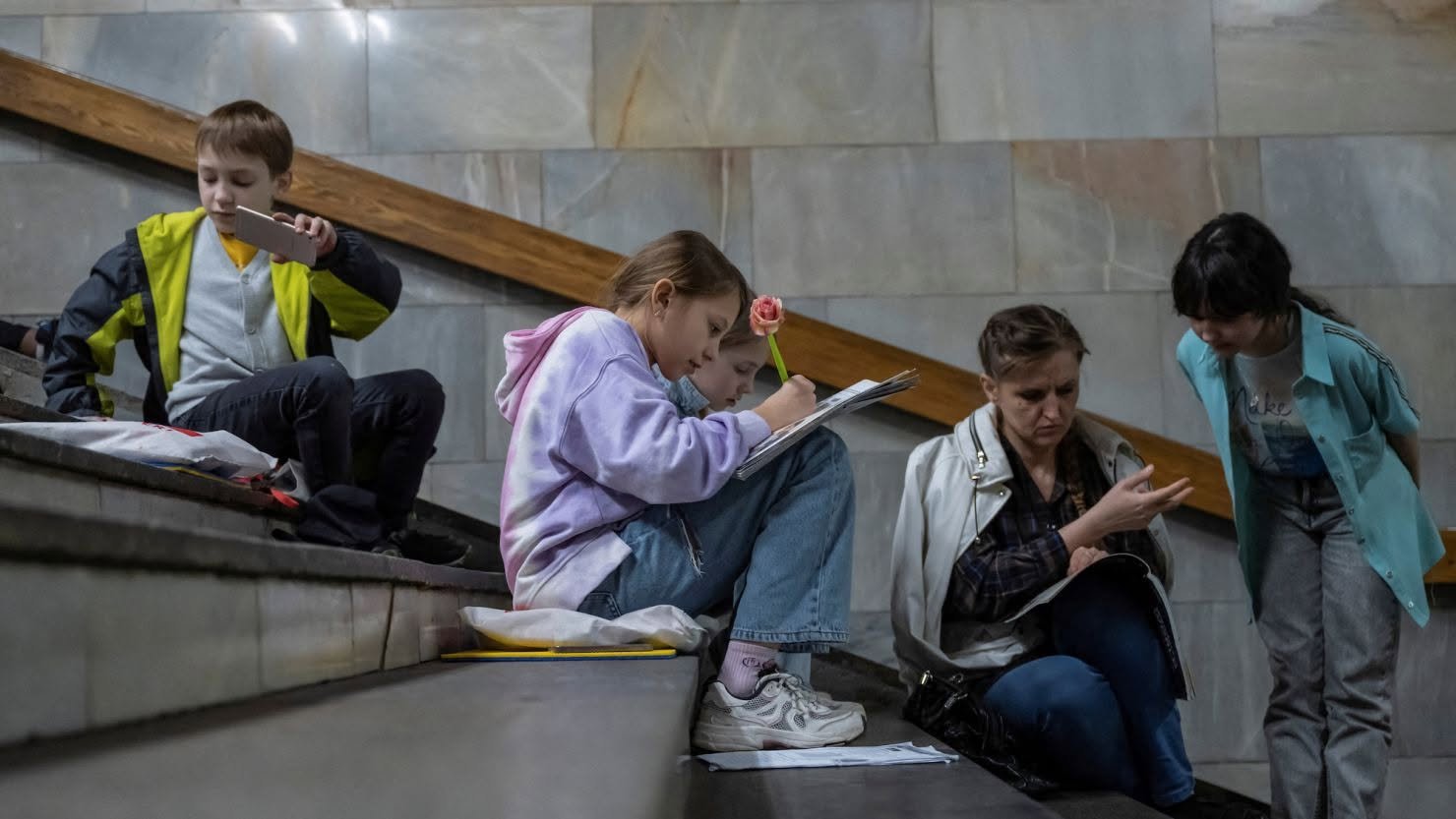
    Children and an adult continue schoolwork during wartime disruptions in Ukraine.
    Students continue learning despite air-raid alerts and interrupted routines.

    Across the country, schools are working with whatever combination of classrooms, shelters, remote lessons and electricity is available. A lesson may begin in a classroom and finish underground. When the power fails, teachers return to chalkboards and textbooks; children rely on charged phones and power banks to remain connected.

    The pressure is especially severe in rural, eastern and northeastern communities. Internet service is less dependable, transport is harder, and families often have fewer alternatives when a school, clinic or road is disrupted. Winter adds another layer of difficulty as schools and homes need fuel, generators, warm supplies and dependable backup power.

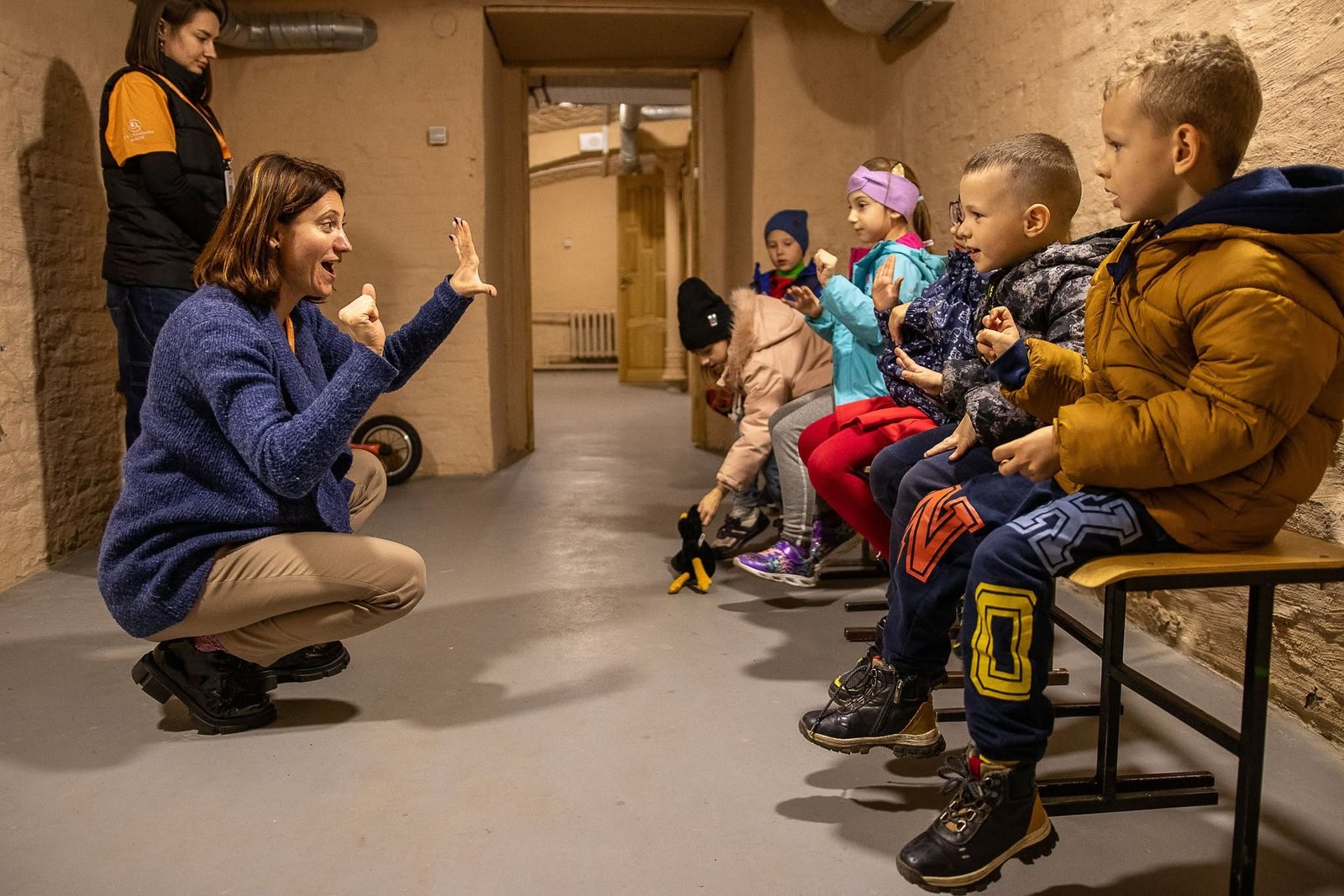
    An adult leads activities with children in a protected shelter space in Sumy, Ukraine.
    A protected space in Sumy gives children room to learn, play and spend time together.

    Keeping learning possible

    Care4Ukraine works with local volunteers, teachers and community organizations to help families maintain ordinary life under extraordinary conditions. Our support can include notebooks and classroom materials, power equipment, firewood and other practical supplies that keep children learning and communities functioning.

    Two children study and complete schoolwork at home in Ukraine.
    When classrooms are inaccessible, children continue their lessons wherever they can.

    First Bell is a hopeful tradition. The children who went to school despite the sirens deserve the chance to continue learning, building friendships and feeling part of a community.

  • Preparing Communities for a Harder Winter

    Preparing Communities for a Harder Winter

    The drone war over Ukraine is changing. Long-range attacks increasingly arrive in repeated daytime waves, keeping air-raid alerts active for hours and forcing communities to pause ordinary work again and again.

    Long alerts can stop activity across a city. Warehouses close, deliveries wait, and workers cannot safely travel or unload essential supplies. Even when a strike lands elsewhere, the disruption spreads through the roads, storage facilities and transport systems people depend on.

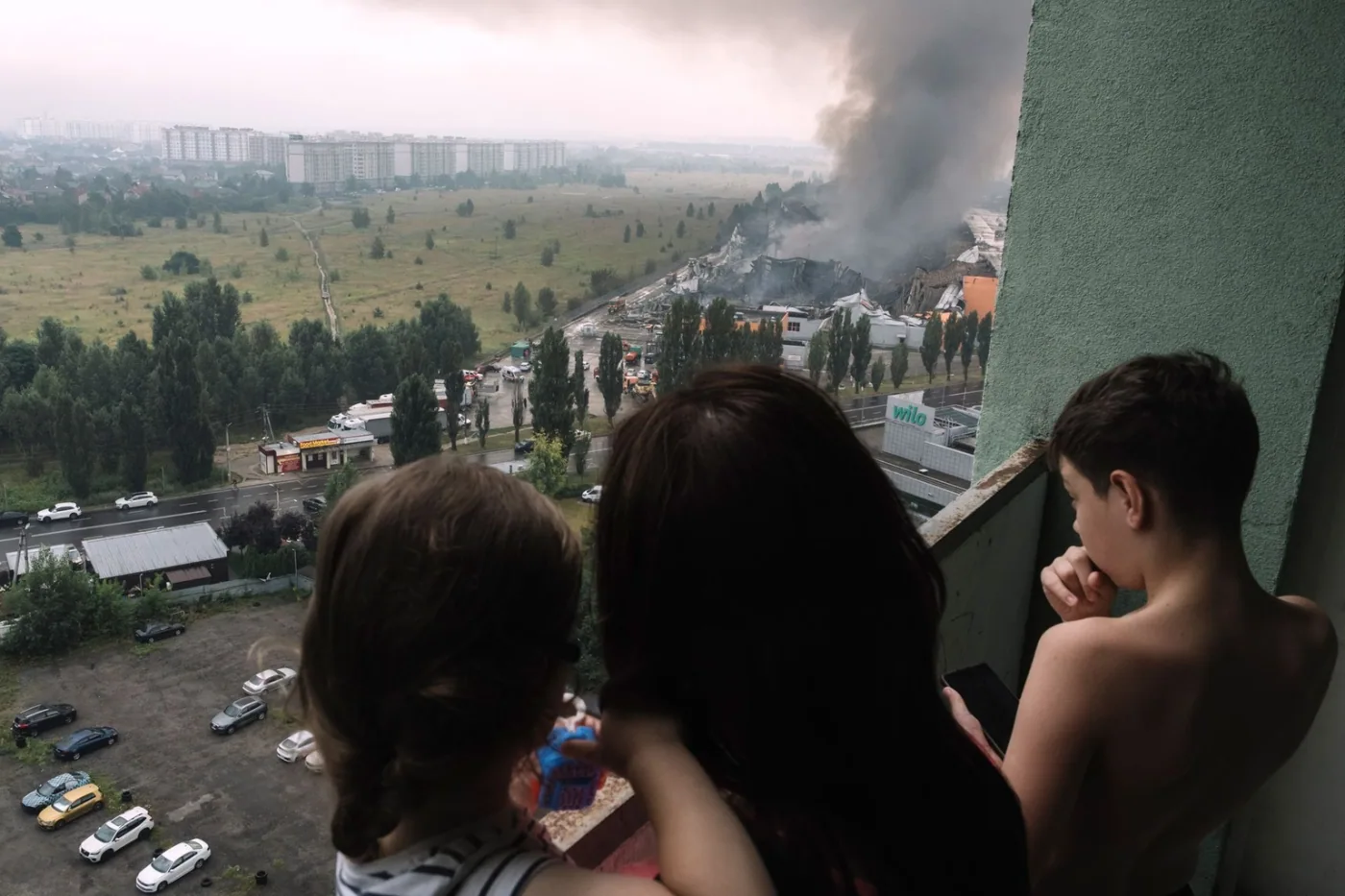
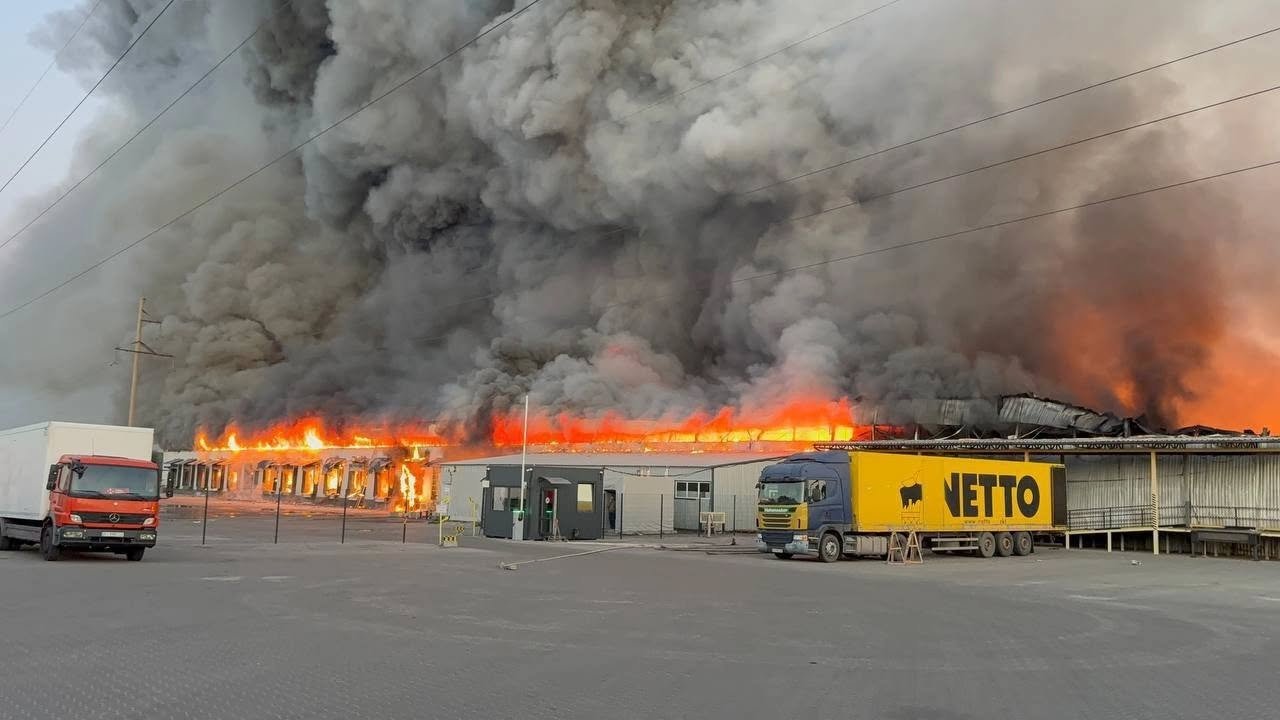
    A large warehouse fire disrupts transport and supply routes in Ukraine.
    Damage and prolonged alerts can interrupt the roads, warehouses and deliveries communities depend on.

    In eastern and northeastern Ukraine, the effects are especially difficult. Roads may become dangerous, power is unreliable, and damaged infrastructure can affect water pumps, refrigeration, communications and local clinics.

    War is not only the moment of an explosion. It is also the uncertainty before it and the practical aftermath: a family without a safe home, a village waiting for medicine, or an older resident trying to manage damage with limited help.

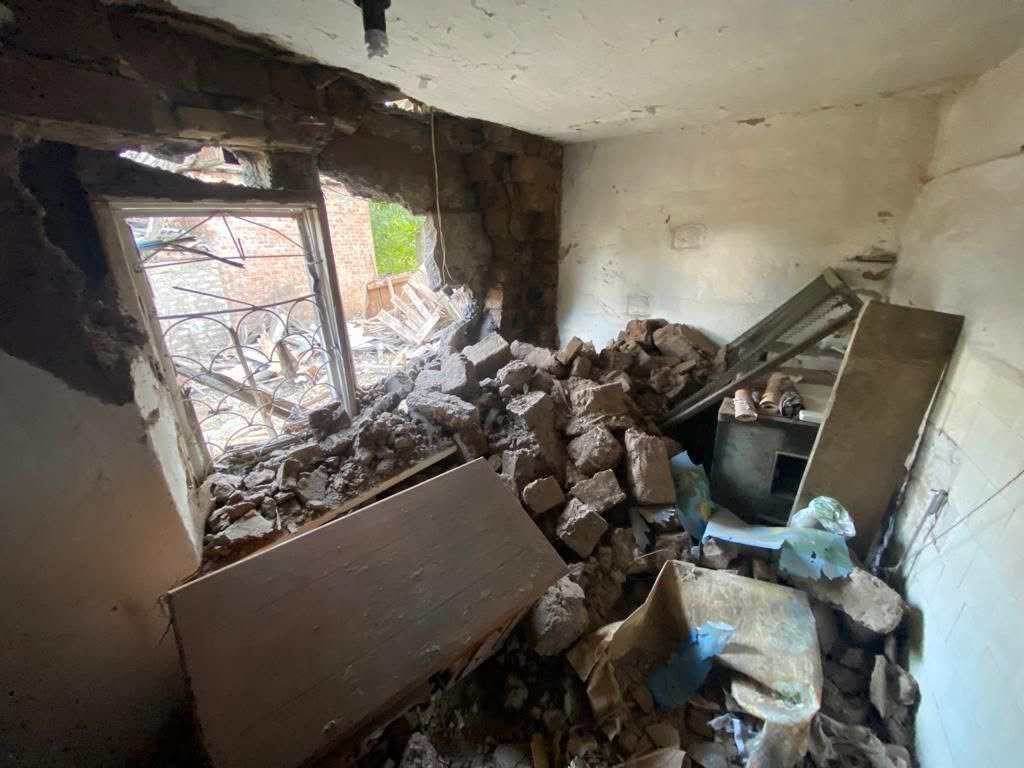
    The damaged interior of a home after an attack in Ukraine.
    Damage to homes and infrastructure creates urgent repair needs before winter.

    Preparing before winter arrives

    Care4Ukraine is preparing reserves of food, medical items, repair materials and power equipment across several northeastern locations. Distributing supplies among trusted local contacts helps communities respond when a road, warehouse or delivery route is interrupted.

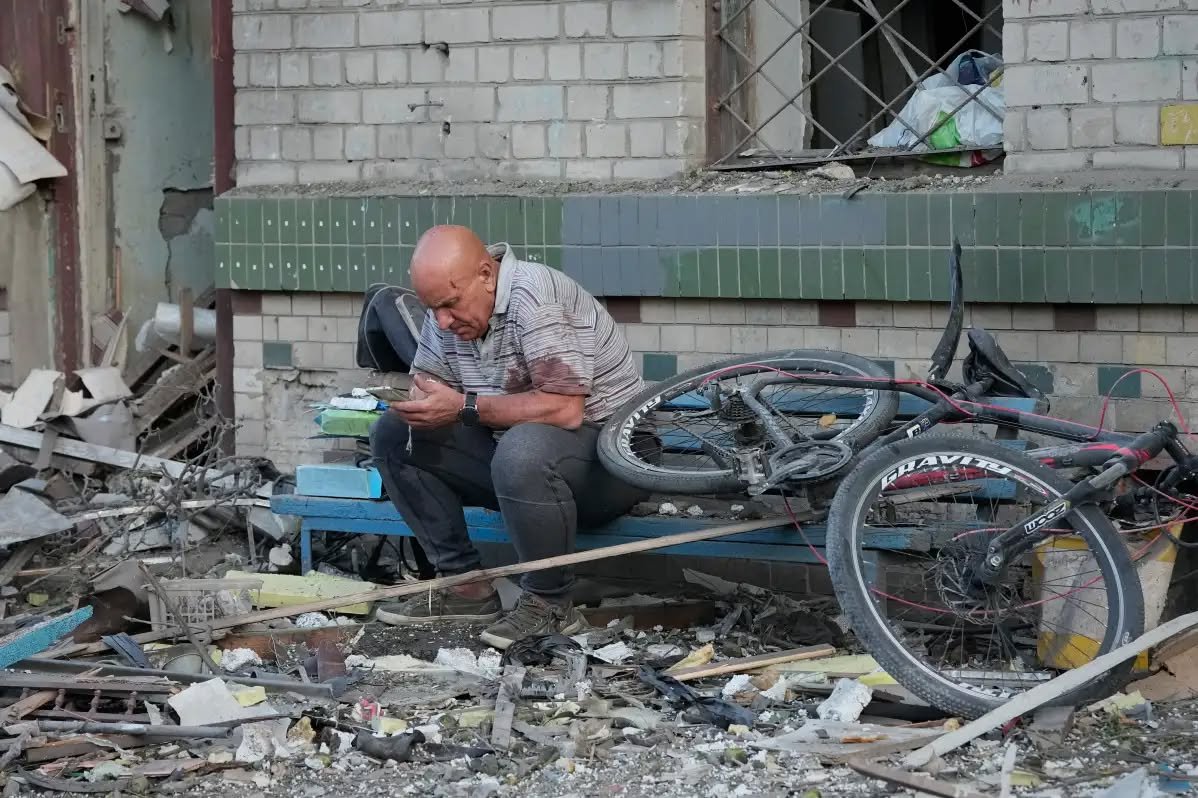
    An older man sits among rubble outside a damaged building in Ukraine.
    Families and older residents face the practical aftermath of attacks long after the alert ends.

    Moving supplies before winter arrives gives volunteers more options when weather and security conditions become harder. Practical preparation now can help keep heat, food, medical support and communication available later.