
A field update from Hryhorii (Gregory) and Alyssa
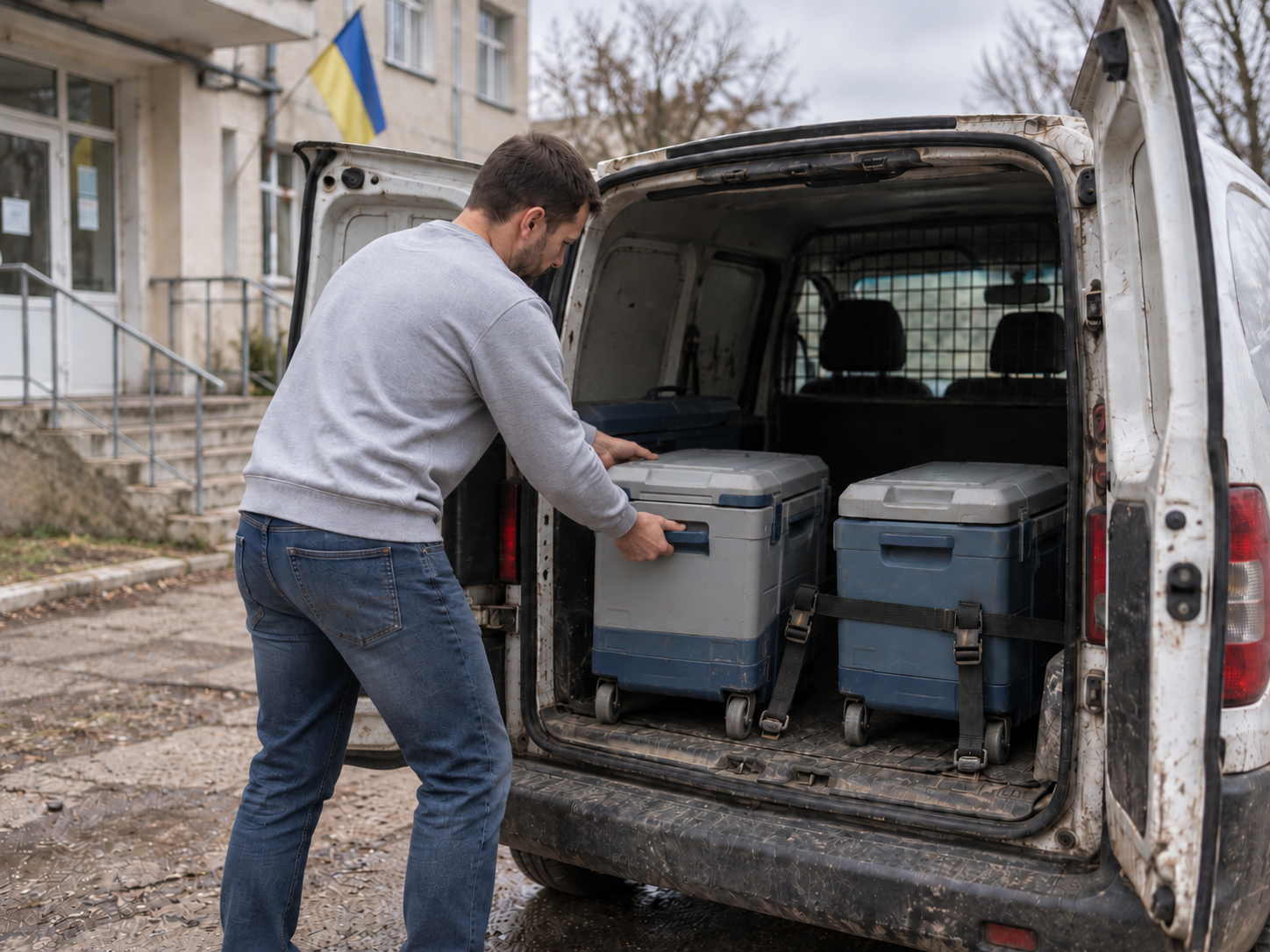
Once a week, Alyssa and I collect medications from centralized clinics and medical NGOs operating in Ukraine and deliver them to people living in rural communities.
The clinics and medical organizations manage the medications, determine where they are needed, and dispense them for the patients they serve. Care4Ukraine helps complete the next part of that work by transporting the medication from those central locations to communities where distance and limited transportation can make access difficult.
Cooperation Makes the Work Possible
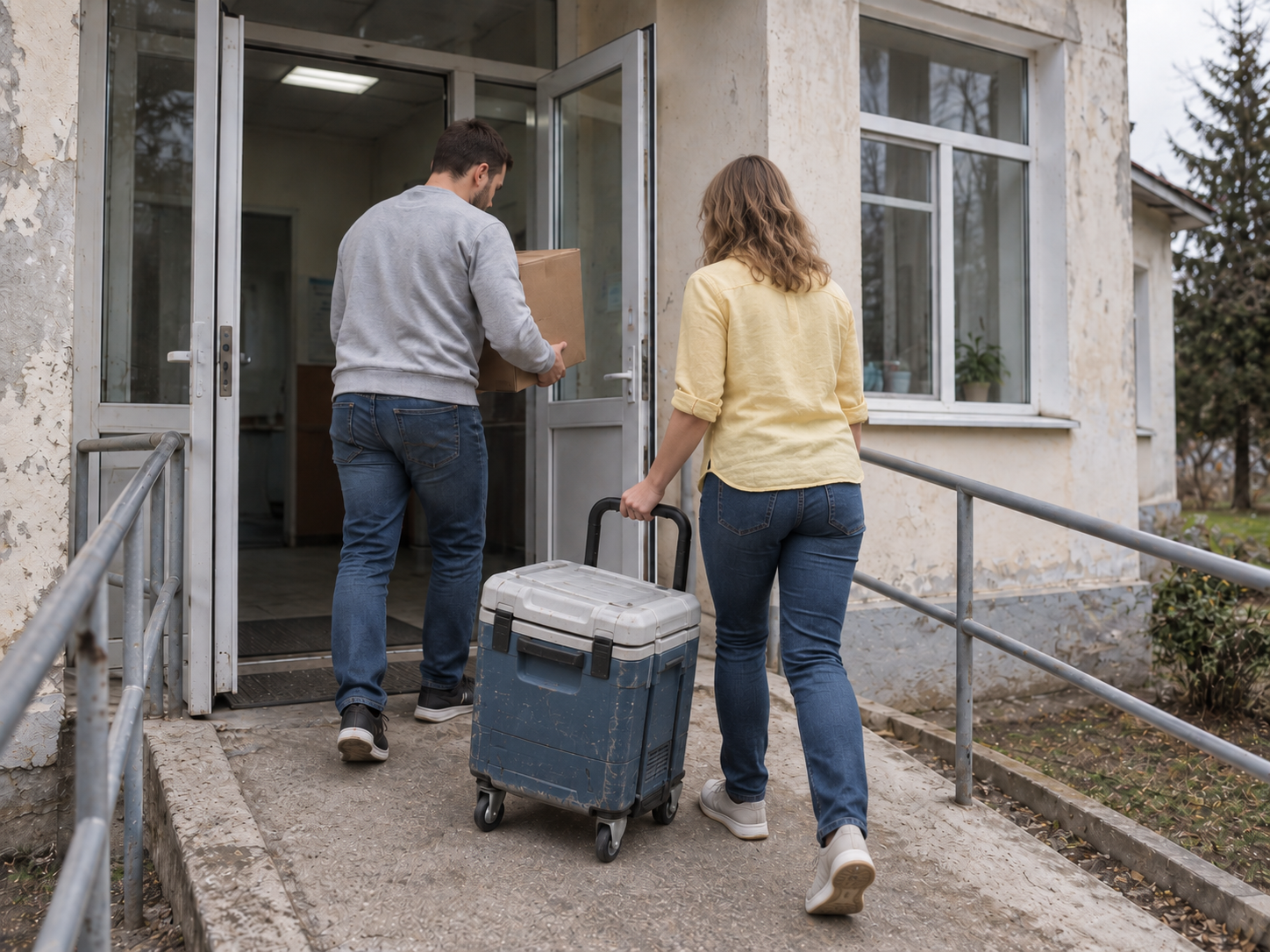
This kind of cooperation is a common and essential part of our work. No single organization can meet every need on its own. Clinics bring medical knowledge and direct relationships with patients. Medical NGOs help manage supplies and coordinate care. Local contacts understand their communities and the changing conditions. Care4Ukraine secures and organizes transportation, equipment, volunteers, and the ability to reach smaller or more remote locations.
When groups share information, resources, and responsibilities, together we can help many times more people than we could if each organization operated in its own bubble. It is not always the most visible part of humanitarian work, but it is one of the reasons assistance reaches the right people more consistently.
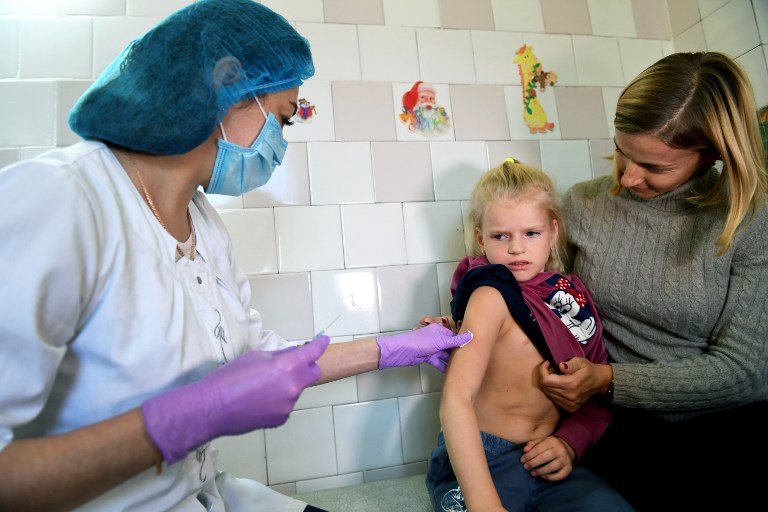
The medications on our route support people living with many different conditions and across every age group. The largest group we serve is age 55 and older. For many patients, staying on schedule is critical, especially when a missed delivery could interrupt an established course of treatment.
Quiet, Practical Delivery
Because the risks along these routes are real, Alyssa and I keep the deliveries as discreet as possible. We travel in smaller, nondescript vehicles and avoid drawing unnecessary attention. The medications are carried in battery-operated refrigerated coolers donated by a hospital group in the Chicago, Illinois area. These coolers help maintain the required temperature for sensitive medications during the trip from the central clinic to the rural delivery point.
The coolers were donated in 2023 and have continued to function reliably through regular use. They are a good example of how one practical donation can remain useful for years: equipment provided by a medical partner in the United States is now supporting Ukrainian clinics, aid organizations, volunteer drivers, and patients week after week.
Most delivery days are quiet and methodical. We check the coolers and their batteries, load the medication into an ordinary vehicle, follow the planned route, and complete the handoff. Then we prepare to do it again the following week.
This work belongs to everyone in that chain. We are grateful to the clinics and medical NGOs that manage the medications, the local partners who coordinate needs, the medical group that donated the coolers, and every person who helps these deliveries reach rural Ukraine.
— Hryhorii (Gregory)
Leave a Reply