
News and field updates from Care4Ukraine’s work with families, clinics, schools, volunteers, and local partners across Ukraine.
Read the latest issue below or browse earlier newsletters as this archive grows. Each issue brings together practical updates from the field, longer stories, and trusted sources that help explain the conditions communities are facing.
Latest issue · Newsletter No. 2 · October 2026
The Work Between the Headlines
Practical aid, dependable local partnerships, and the everyday systems that help communities keep functioning.
Newsletter archive
Issues are listed with the newest first. Select an issue to read it on this page.
October 2026 · Newsletter No. 2
The Work Between the Headlines
Food and household supplies, the weekly medication route, winter pressure on heat and power, and growing risks to rail travel.
Field Notes from Ukraine · Newsletter No. 2 · October 2026
The Work Between the Headlines
Much of the humanitarian work in Ukraine is about the basics: food, education, medicine, transportation, heat, and the everyday systems that allow people and communities to keep functioning.
It often begins with helping an individual or family in immediate need. Over time, that work naturally grows into something broader—supporting clinics, schools, volunteers, local organizations, and the networks that hold communities together.
Some aid work is highly visible and some happens with little attention. What matters is whether the help is practical, reliable, and able to reach people where they are.
This month, we are sharing two examples of that work, along with two short updates on the pressures rural communities face as winter approaches.
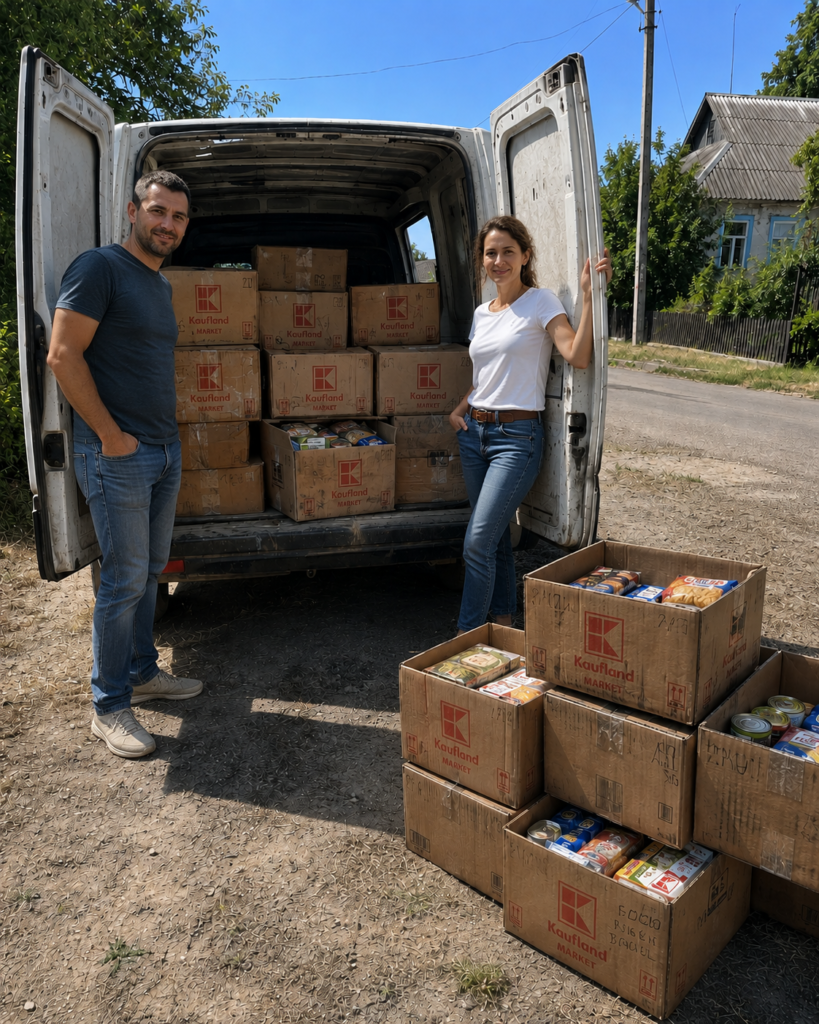
From European Supermarkets to Families in Ukraine
How surplus food and ordinary household goods become humanitarian supplies
A significant portion of the food and basic household supplies distributed by Care4Ukraine begins in ordinary supermarkets and distribution systems across Central Europe.
Through charitable relationships and local sources, non-perishable food, dry goods, hygiene products, and other everyday necessities are collected, checked, sorted, stored, and incorporated into shipments moving into Ukraine.
When these goods can be secured through redistribution networks, donated funds can instead help cover transportation, fuel, storage, generators, medical supplies, and other expenses that cannot simply be donated.
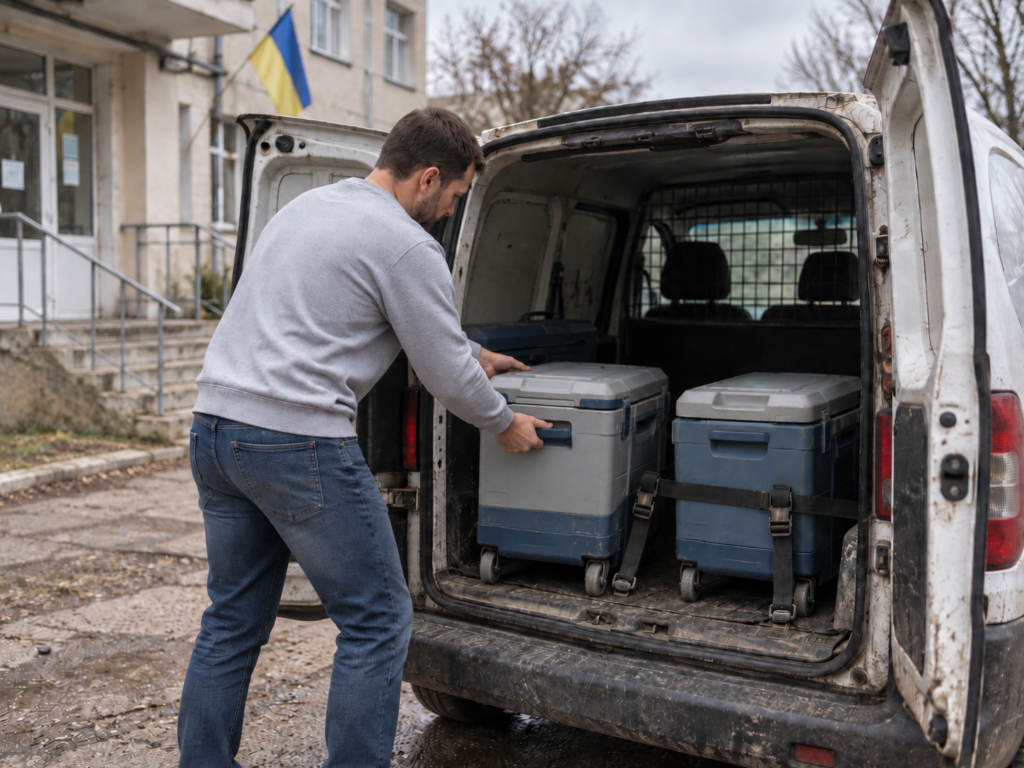
The Weekly Medication Route
Reaching rural communities through cooperation
Once a week, Hryhorii (Gregory) and Alyssa collect medications from centralized clinics and medical NGOs and transport them to rural communities where distance and limited transportation can make access difficult.
The route depends on cooperation between clinics, medical organizations, local contacts, volunteers, and Care4Ukraine. Battery-operated refrigerated coolers help protect temperature-sensitive medication during transport.
The largest patient group served by the route is age 55 and older, and for many people a missed delivery can interrupt an established course of treatment.
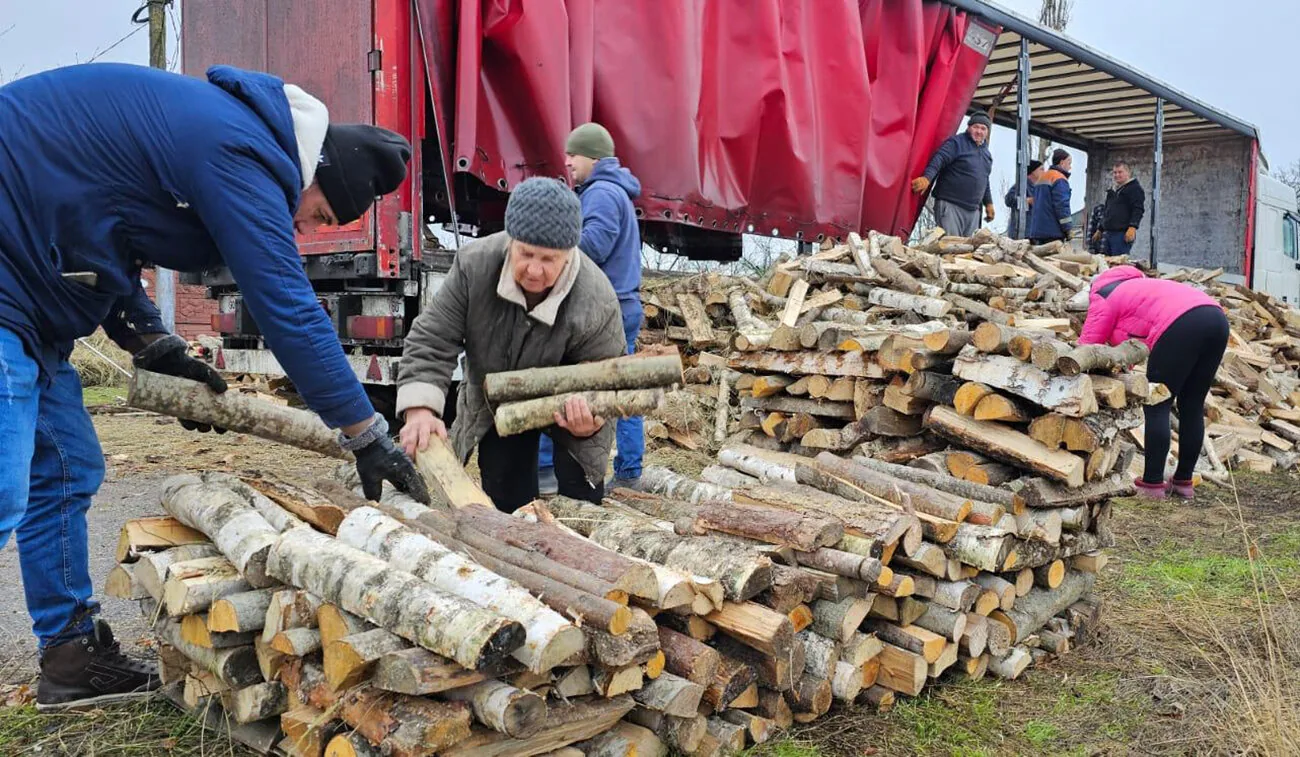
Winter Pressure on Heat, Power, and Daily Life
Ukraine is entering another winter with heating and energy systems already under heavy strain. For rural communities, a power outage affects much more than lighting. It can stop well pumps, interrupt heating and communications, make medicine refrigeration difficult, and limit the ability of clinics and schools to operate normally.
Families are increasingly adjusting routines around electricity availability, transportation, air alerts, and the need to keep backup power, water, food, and other basic supplies close at hand.
UNICEF’s 2026–2027 winter planning notes that energy and heating infrastructure remains severely weakened, particularly in frontline regions.
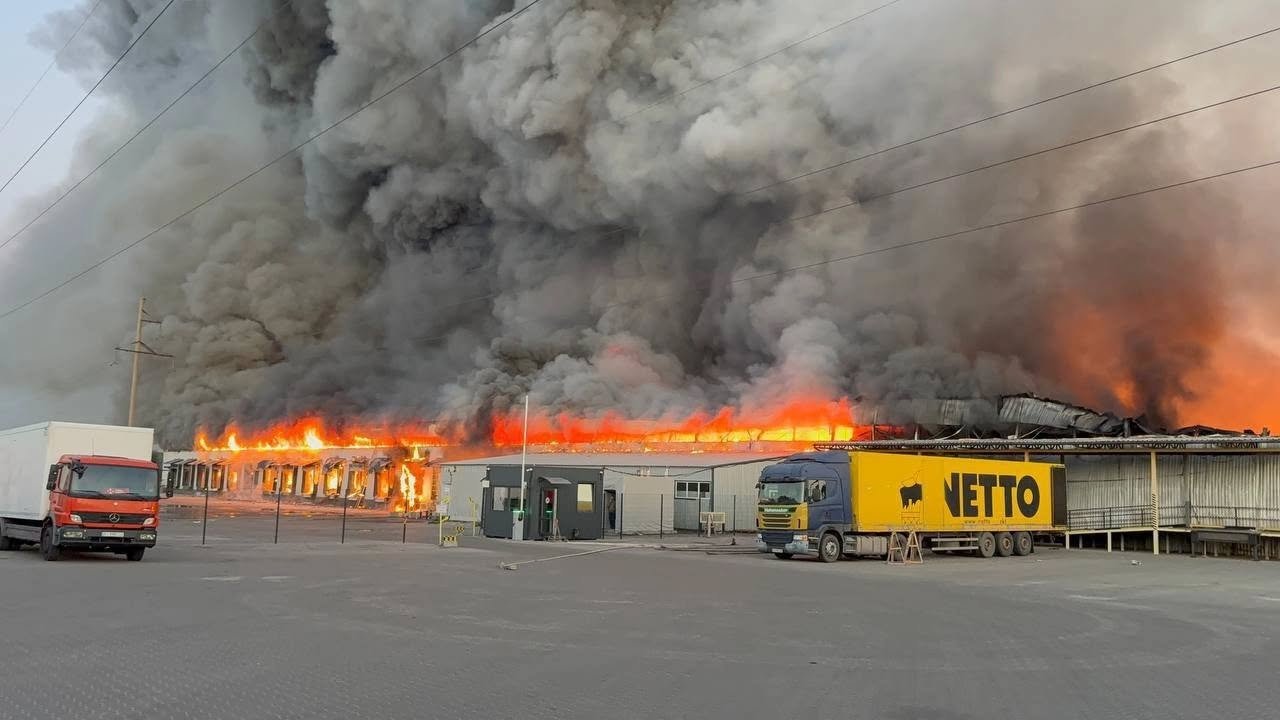
Rail Travel Is Becoming a Risk in Itself
Ukraine’s railway system remains one of the country’s most important ways of moving people and supplies, but trains and locomotives themselves are increasingly being targeted.
More than 500 locomotives have been destroyed or damaged since the full-scale invasion began. Passenger trains and carriages have also been struck and damaged. The risk is especially serious in eastern Ukraine, where passenger journeys, evacuations, and supply movement increasingly depend on changing security conditions.
For rural communities, disruption reaches well beyond the railway. Food, medicine, fuel, repair materials, and humanitarian supplies may all take longer to reach regional distribution points and then smaller towns and villages.
Practical aid. Local partnerships. Real impact.
Care4Ukraine supports schools, clinics, families, and local organizations with food, medical supplies, generators, and essential goods where they are needed most.