
Care for Ukraine website archive.
October 30, 2026
On Thursday morning, Ruslan Dil was on his way home.
Ruslan was 48 years old and had worked for Ukrainian Railways for almost 30 years. Much of that work included transporting people away from danger after the full-scale invasion began. On October 29, he was on leave, returning from western Ukraine and changing trains in Dnipro to reach his hometown of Synelnykove. He had two grown children, a mother, and a sister. It was an ordinary journey home to his family.
He never arrived.
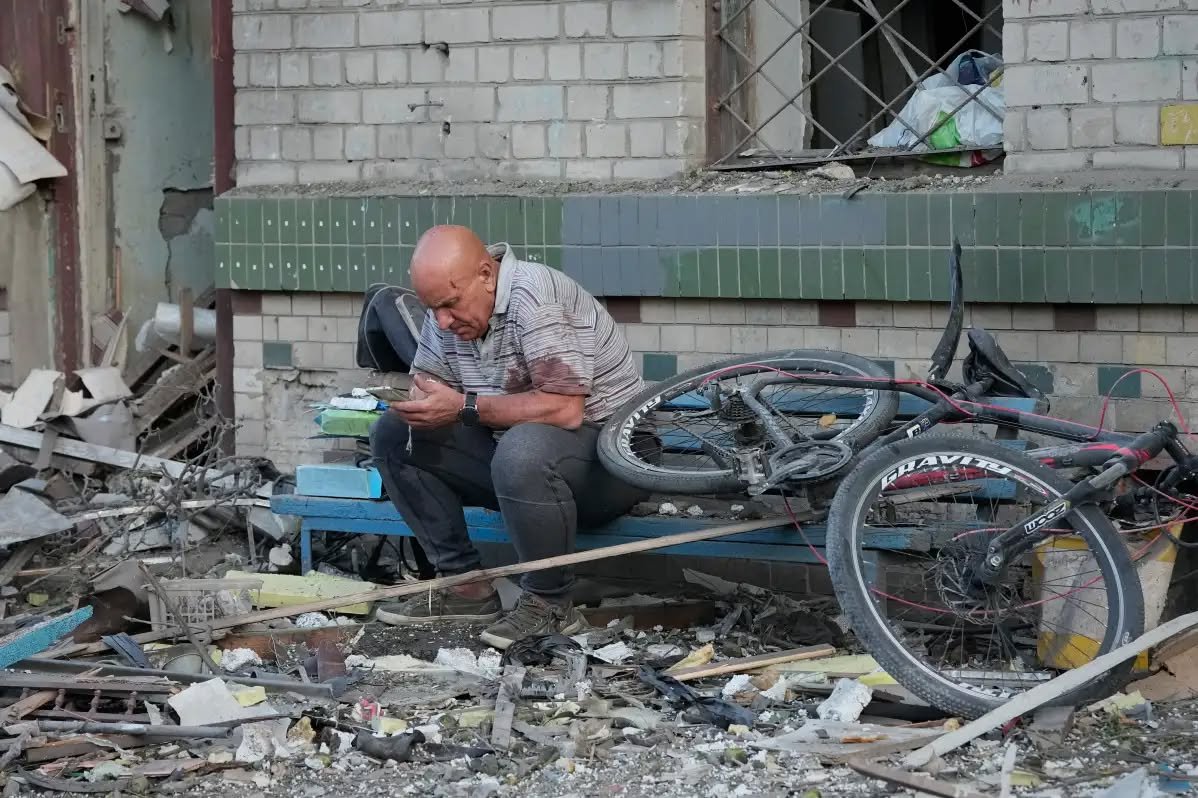
Ruslan was among the 15 people killed when a Russian drone struck Dnipro’s railway station on October 29.
Another victim was Yana Shpakova, 32, who managed the children’s area at the station. For years, she had worked with passengers. When the danger became apparent, she joined colleagues helping people reach shelter. She was killed in the attack, leaving behind her daughter, Myroslava, and other family members.
Five railway employees died. The others killed or injured were people traveling to work, returning home, or going about their ordinary business. Dnipro is observing a day of mourning today.
By Friday morning, another Russian attack on the power network had left much of Dnipro without electricity. More than 350,000 electricity customers in the city and surrounding communities had initially lost power. Public transport was disrupted and essential water systems were relying on backup generators.
A Dnipro resident named Svitlana told local reporters that she had stored water in advance, but her supply would soon run out. She had come to collect more, taking only what she needed. Elsewhere in the city, people queued for buses and drinking water, and went into shops to recharge their phones.
For an elderly person living alone, especially someone with limited mobility, these conditions create serious problems. If the power fails, a lift may stop working, the water supply may become unreliable, and the means of contacting a relative or neighbor may disappear. Even an appointment at a clinic or pharmacy becomes difficult when transportation is interrupted.
At one Dnipro hospital, doctors completed 18 complex operations overnight despite the citywide electricity problems. Hospital administrators reported that 134 patients were receiving mechanical ventilation. Generators and contingency arrangements were what allowed medical personnel to continue caring for patients.
That is what makes the approaching winter particularly worrying.
Dnipro has hospitals, transport networks, emergency services, and local volunteers. Yet even a large city with those resources is struggling to maintain basic services through repeated attacks. Smaller towns and villages have far less capacity to absorb another failure.
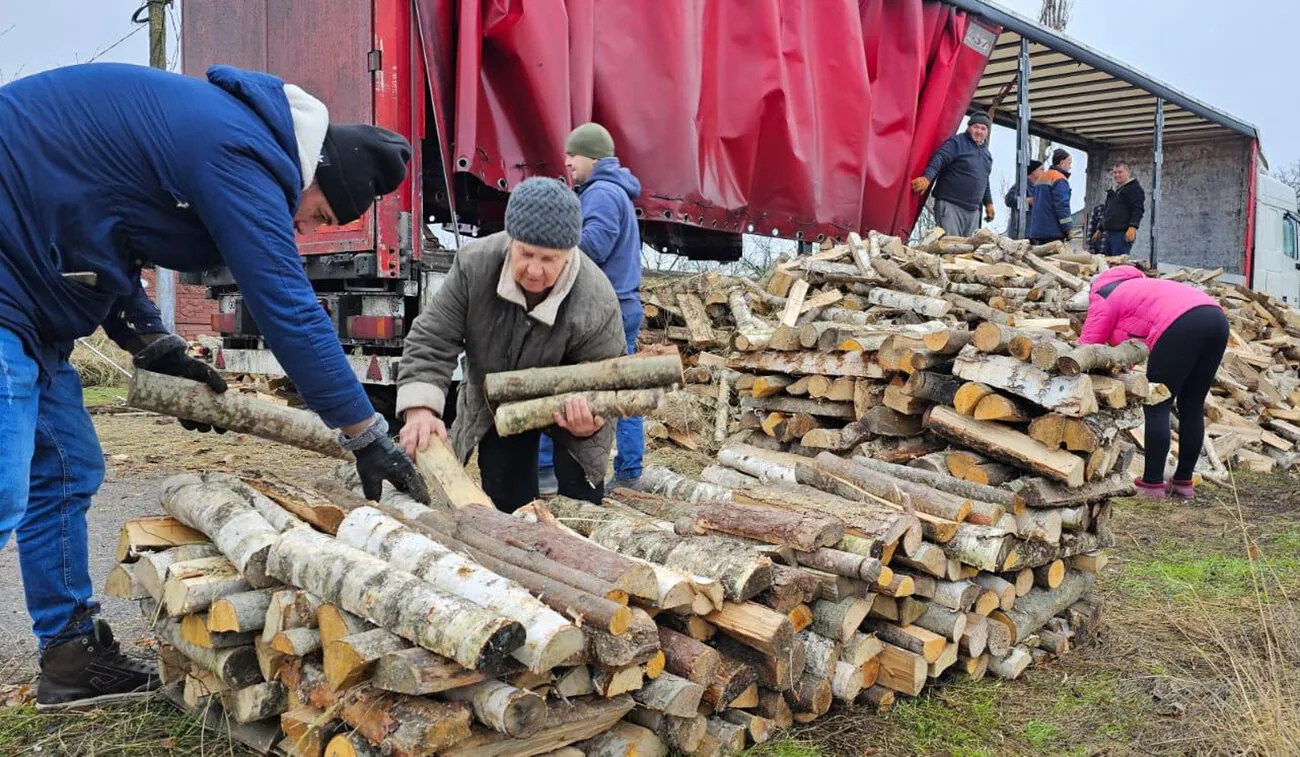
Across northeastern Ukraine, we continue to encounter people who have stayed in their homes throughout the war. Many are elderly. Some live alone; others care for a relative who is ill or unable to travel. They have managed through several winters with help from neighbors, local clinics, volunteers, and humanitarian organizations. But that assistance is becoming harder to sustain.
For Care4Ukraine, this is why so much of our work is directed toward preparations before conditions become critical: food, firewood, medicines, generators, and reliable ways to communicate. None of these is a complicated form of assistance. Getting supplies to the people who need them, however, takes vehicles, fuel, volunteers, local knowledge, and the ability to return regularly.
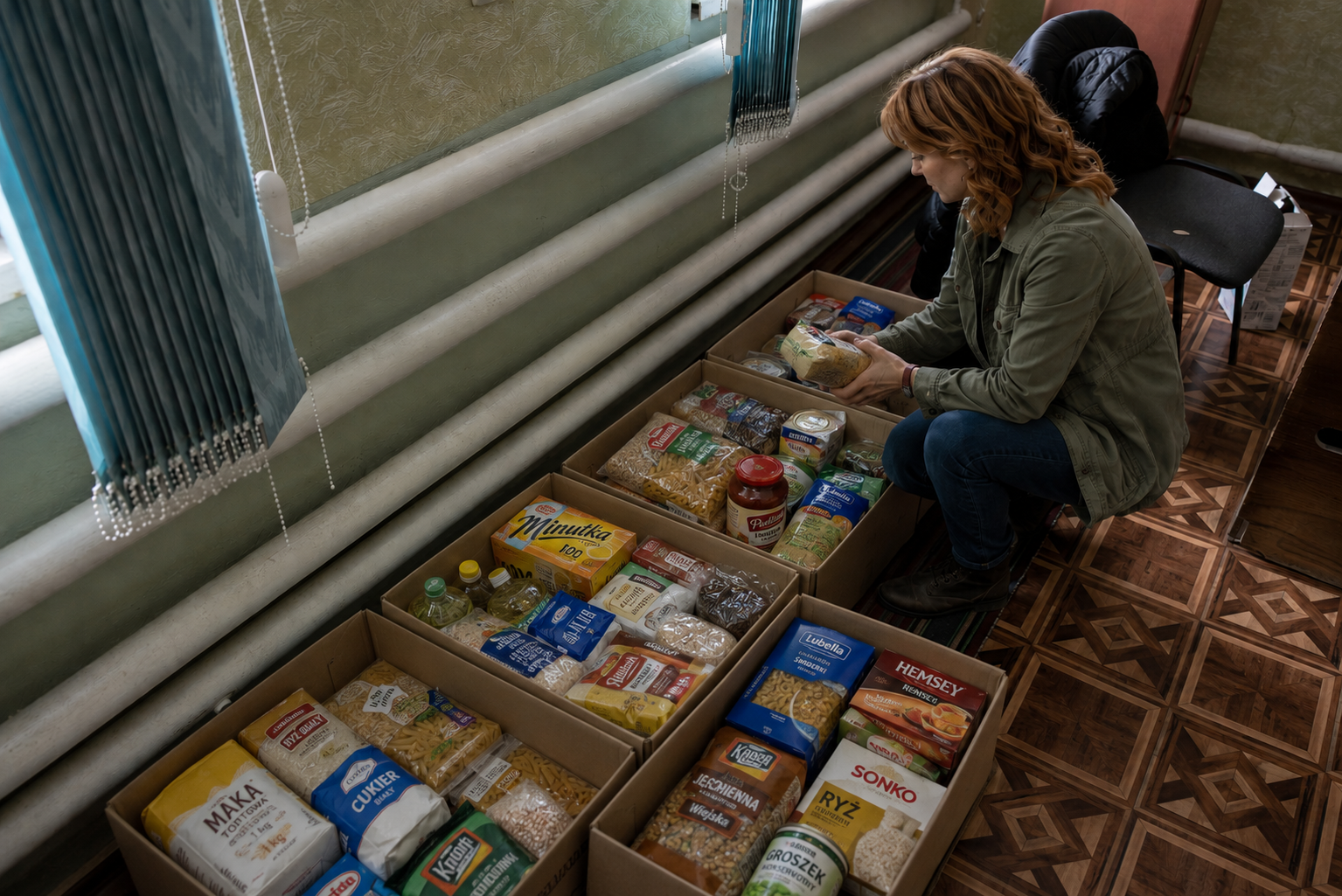
We cannot prevent another attack on Dnipro or repair the city’s electrical network. Our work is smaller and more local. It is directed toward the people and communities where we can make a practical contribution, particularly those who are increasingly isolated.
There will be more difficult days ahead for Dnipro and for communities throughout Ukraine. Recovery means more than fixing damaged buildings and power lines. It means people continuing to help their neighbors, clinics being able to care for patients, and humanitarian supplies reaching households with few alternatives.
There is still a great deal of work to be done, and there are people who depend on that work continuing.
Help us continue the work. Care4Ukraine delivers food, medicines, winter supplies, and emergency equipment to communities across northeastern Ukraine. If you can help sustain these deliveries, please make a donation. Your support helps keep essential supplies moving.
Reporting note: The accounts of Ruslan Dil and Yana Shpakova are based on Ukrainian Railways’ memorial records. Information about Dnipro’s blackouts, residents’ experiences, and hospitals is drawn from Suspilne Dnipro, local reporting, and Ukrainska Pravda.
Leave a Reply